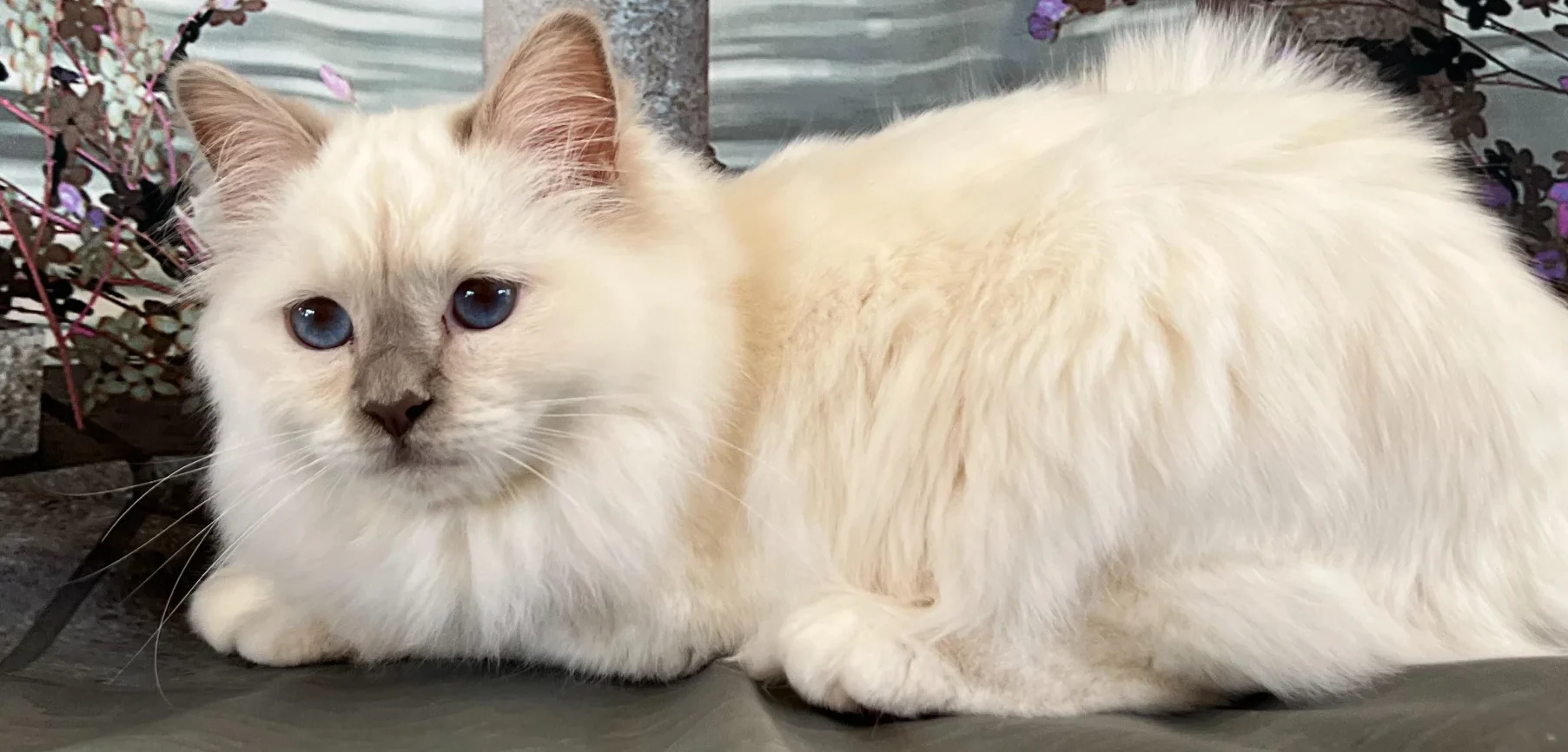
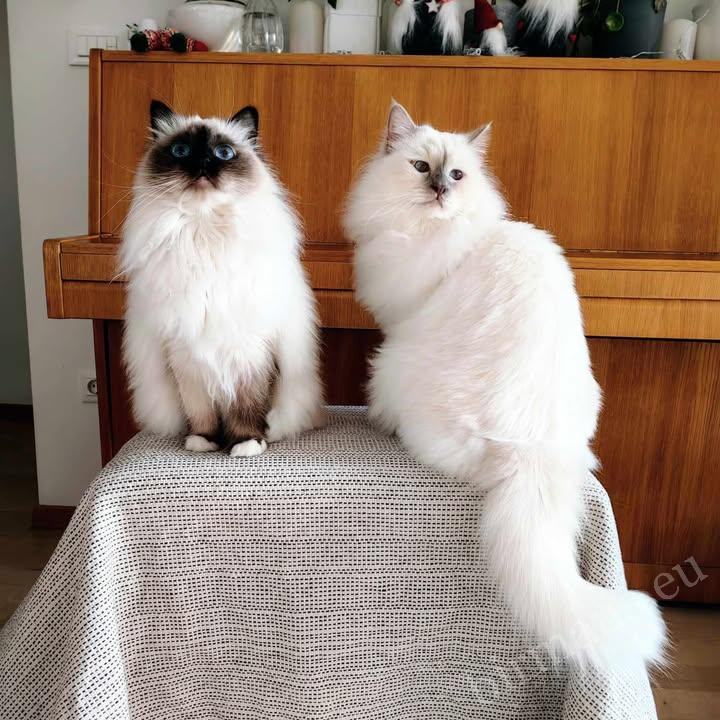
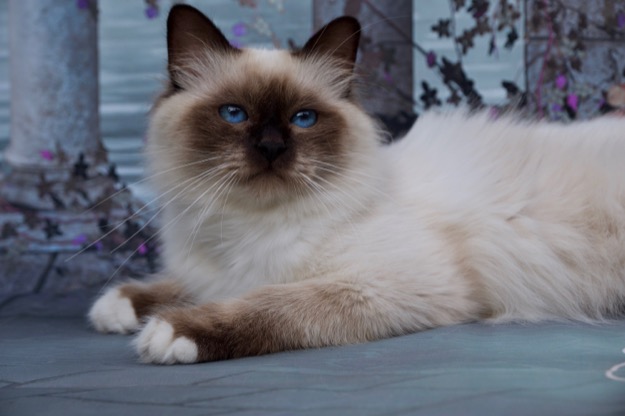
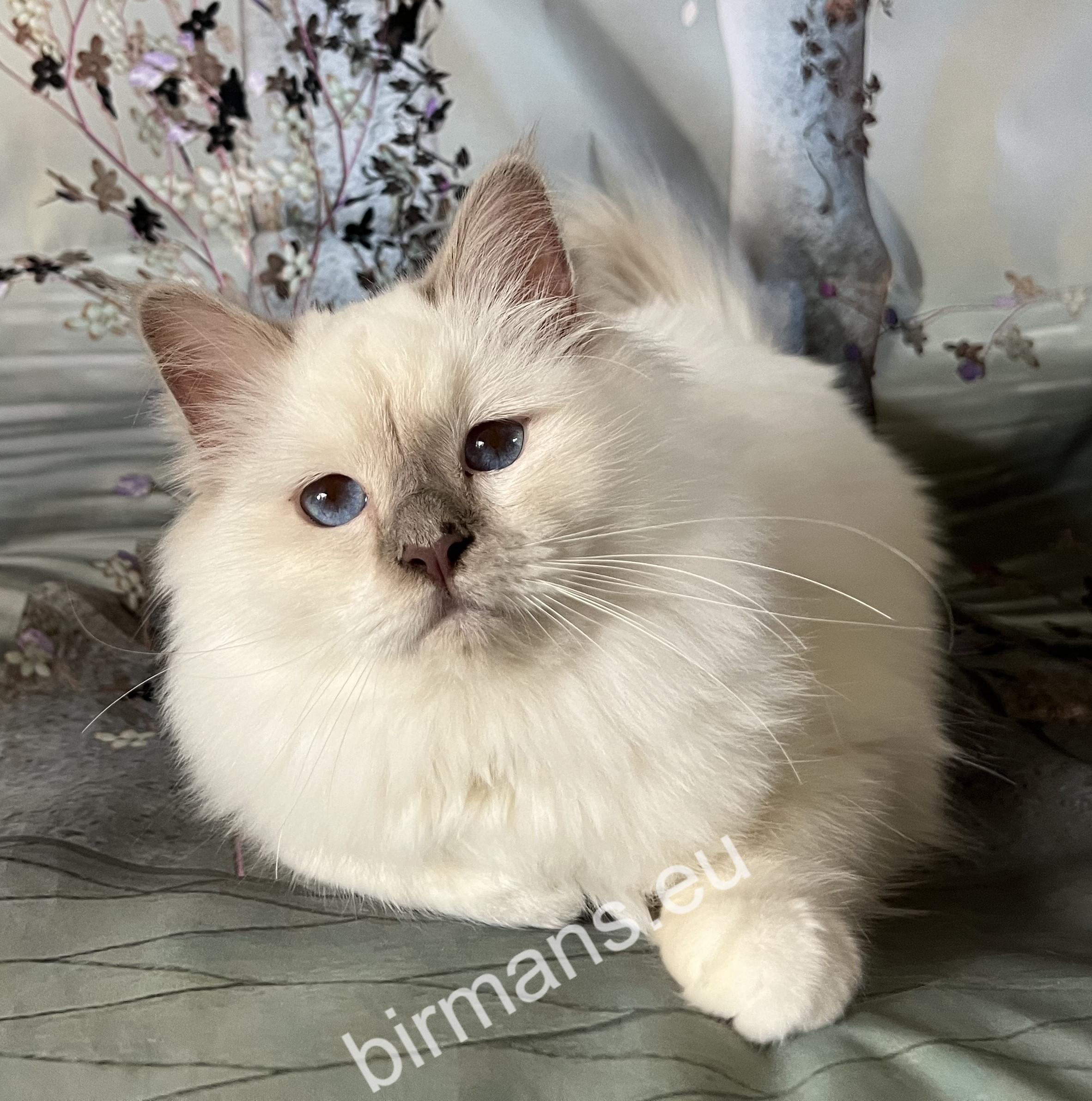
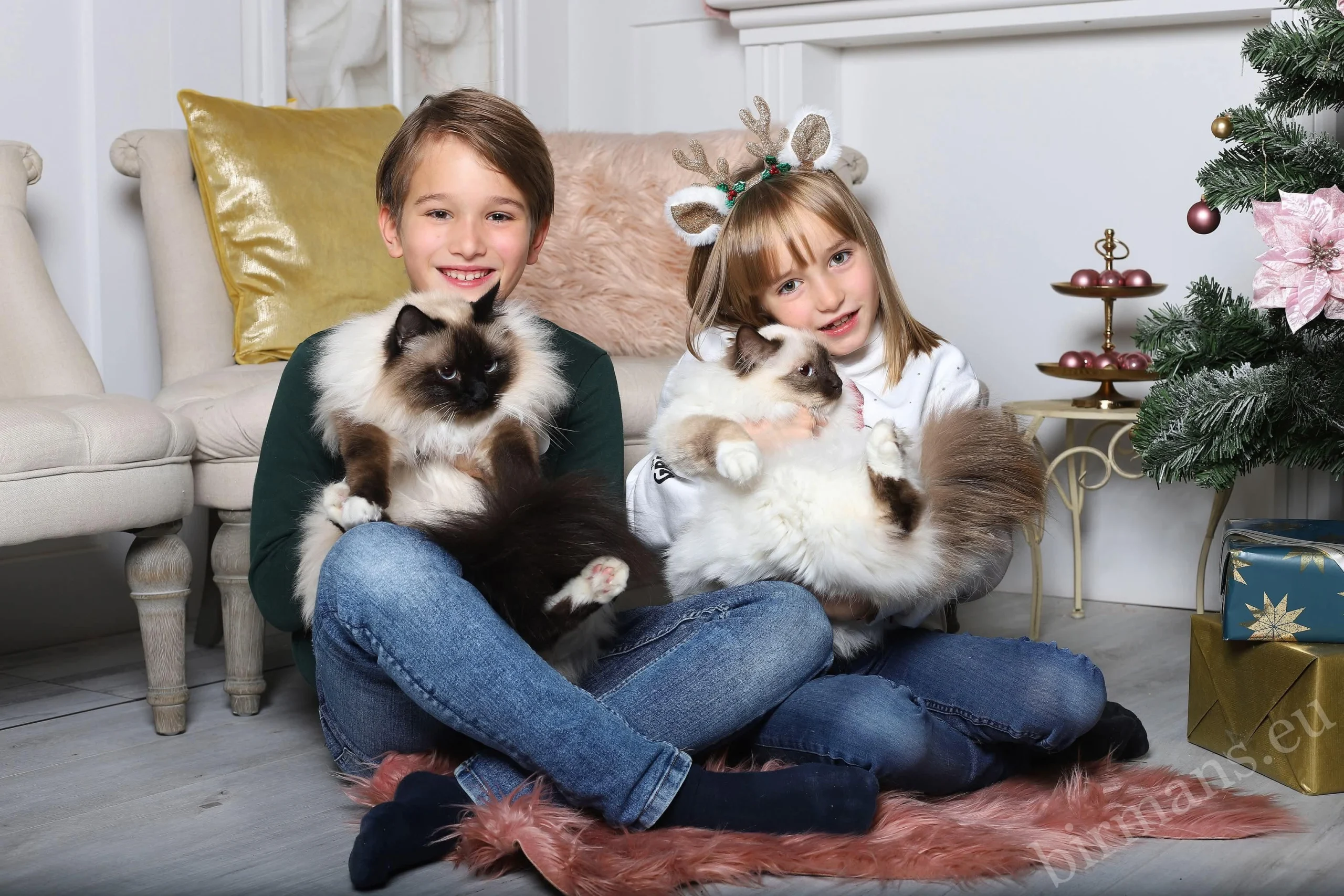
Choosing a kitten often starts with the heart. We see a special pair of eyes or a sweet moment, and we immediately imagine the cat in our home.
Intuition is important. Before making a final decision, however, it’s worth examining the professional and health background behind the kitten.
What documents should we receive?
A purebred kitten comes with an authentic pedigree. This certifies its ancestry and makes its bloodline traceable across multiple generations.
The kitten’s documentation should include:
- the microchip identification number;
- the vaccination record or, for international relocation, the pet passport;
- entries for vaccinations and parasite treatments;
- and a detailed sales contract.
In the case of a cat purchased as a pet, the breeder may only hand over the original pedigree after proof of spaying/neutering. These conditions must always be documented in writing in advance.
What does proper health background mean?
The necessary genetic tests vary by breed. Some cat breeds have known hereditary diseases that can be specifically screened for.
One significant advantage of the Birman cat – in Hungarian, the sacred temple cat of Burma – is that there is currently no known breed-specific genetic disease that would require a generally mandated breed-specific DNA test.
However, this does not mean that checking the genetic background is unnecessary. A comprehensive genetic panel can also rule out the presence of known hereditary conditions that are not considered Birman breed diseases.
At Saba Birman cattery, for example, we don’t just test for a single breed-specific condition, but screen our breeding cats with a comprehensive genetic panel. This is a larger investment, but it allows us to rule out more potential genetic risks.
It’s also worth asking whether the cattery conducts regular herd-level veterinary screenings for infectious diseases or parasites.
Why are bloodlines known across multiple generations valuable?
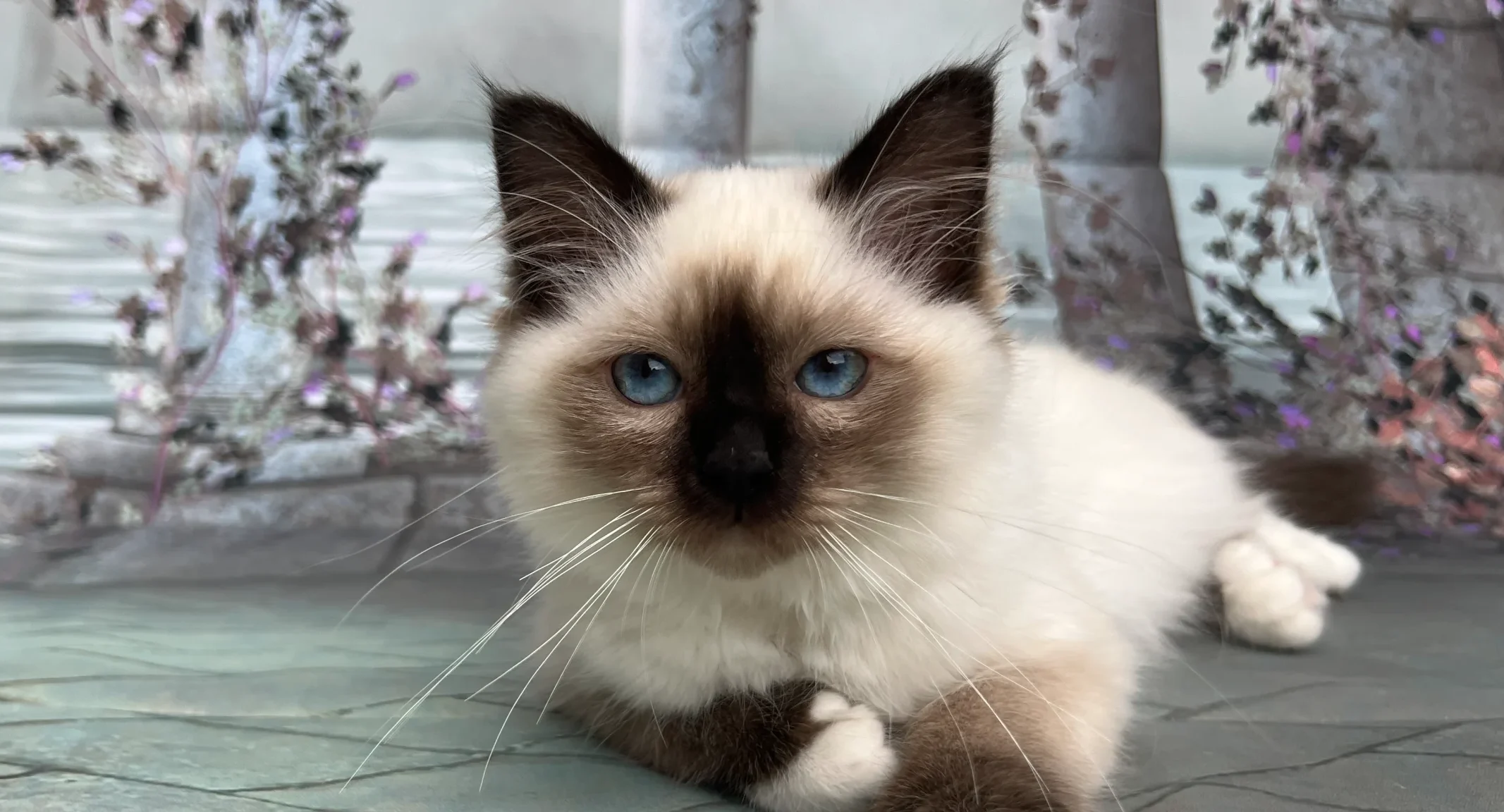
Laboratory tests provide information about a specific point in time. Our own breeding lines followed over many years add long-term experience to this.
If the breeder knows the health, development, and temperament of the cats across multiple generations, they can plan future pairings on a more solid foundation.
At Saba Birman cattery, we have been working for more than 13 years with partly our own bloodlines known across multiple generations. This allows us to consider not only the test results of our breeding cats, but also the longer-term experience of the family lines.
What conditions do the cats live in?
Cleanliness is fundamental, but not sufficient on its own. Adequate space, calm, fresh air, play, the opportunity to retreat, and human contact are also important.
Too many animals in a small area can cause chronic stress and increase the risk of infections or certain immune system problems.
However, the absence of personal visits does not necessarily indicate secrecy. A closed cattery operating at a high hygiene standard may restrict visitors for disease prevention reasons.
In such cases, transparency can be ensured in other ways:
- with current photos and videos;
- video calls;
- documented health background;
- and verifiable owner testimonials.
Learn about the living conditions of Saba Birman cats in our cattery.
Why does a closed cattery matter?
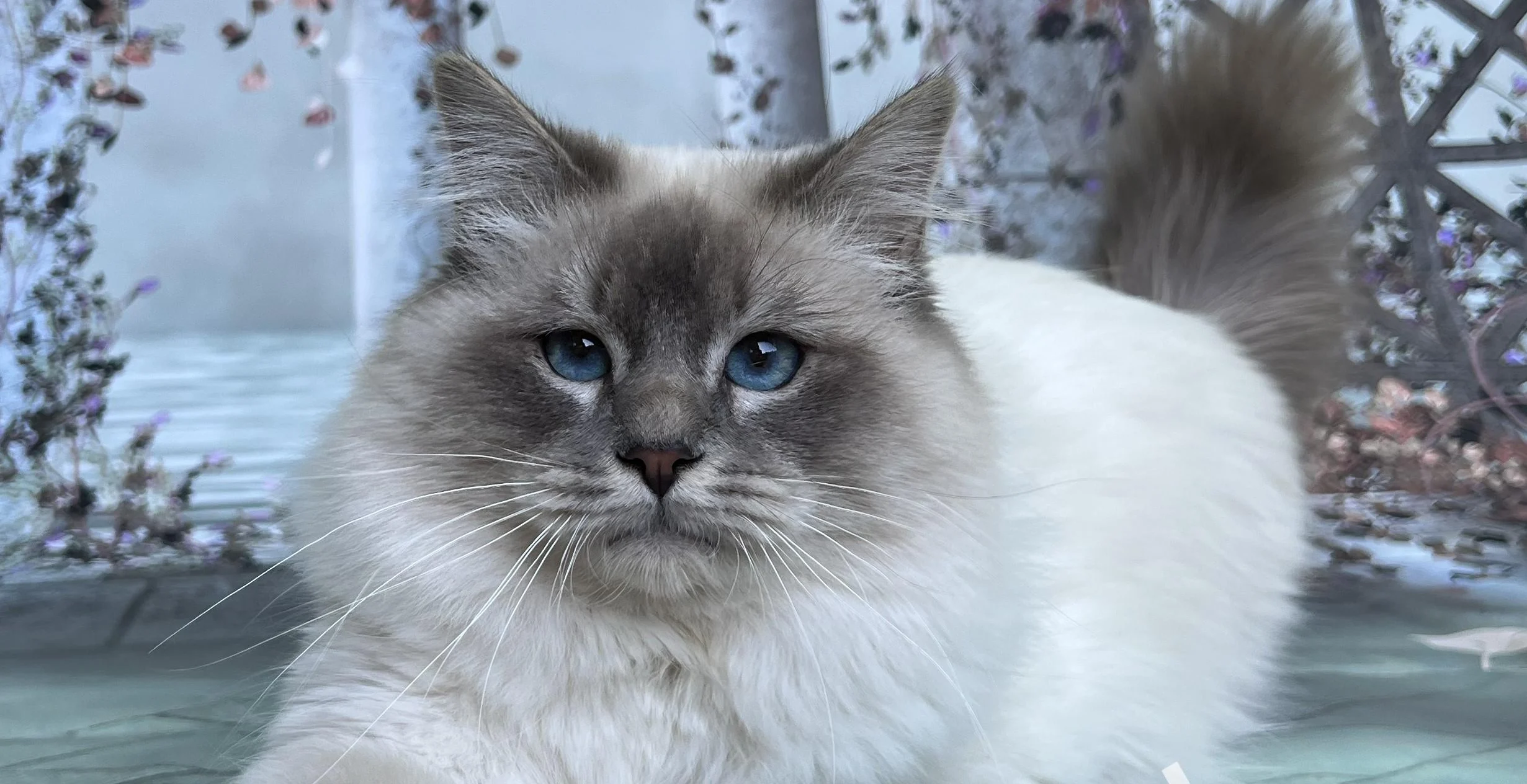
Outside breeding can be suitable for introducing new bloodlines, but every direct contact between catteries also poses an infection risk.
Establishing a closed cattery with its own studs requires more space, proper separation, and significant maintenance costs. Its advantage is that it reduces the risk of encounters with outside animals and the introduction of pathogens.
Saba Birman operates as a closed cattery, without outside breeding.
How is the kitten prepared for family life?
Good socialization doesn’t make every kitten the same. It helps them adapt more confidently to their new home according to their own temperament.
It’s worth asking whether the kittens:
- regularly meet people;
- get used to being handled and groomed;
- encounter everyday sounds;
- are familiar with the carrier;
- and receive preparation for travel.
Saba Birman kittens participate in a special, partly confidential socialization program. They gradually become familiar with the sounds of multiple languages, various everyday stimuli, and situations necessary for travel.
What does the breeder’s experience reveal?
A new breeder can also work conscientiously, but a long professional history has independent value.
Over ten years, the health, development, and personality of multiple generations become observable. It also becomes clear whether the breeder views their work as a long-term responsibility or a short-lived hobby.
Show results are not mandatory and do not replace health screenings. However, they provide independent professional feedback on how well the cats meet the standard for the breed.
Why does the breeder ask about the prospective family?
A responsible breeder is not simply looking for an owner, but for the right family for the kitten.
That’s why they may ask about:
- household members;
- lifestyle;
- other pets;
- living conditions;
- and what kind of personality we’re looking for in a companion.
This is not an unpleasant interrogation, but part of matching the right kitten with the right family.
What support do we receive before and after the move?
Proper guidance is much more than a few verbal tips.
A carefully run cattery provides detailed information on feeding, equipment, health care, adjustment, and daily routine. For international relocations, it also offers assistance with travel documentation and arrangements.
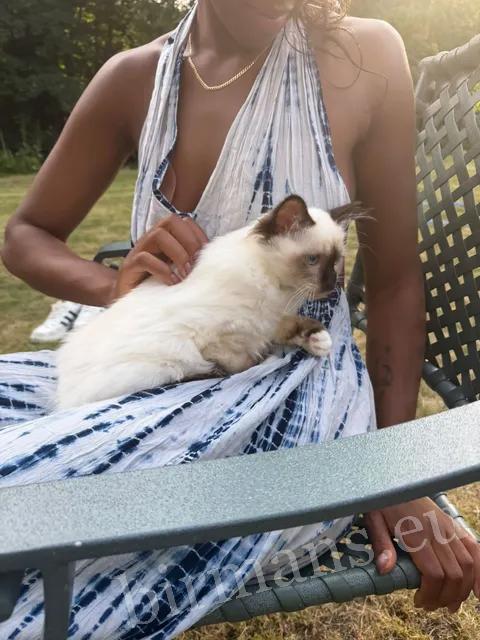
The breeder’s responsibility does not end on the day of handover. The family can continue to count on professional support if questions or difficulties arise.
Learn about Saba families’ stories worldwide.
What does the kitten’s price really mean?
Behind the price of a purebred kitten can be very different content.
Health screenings, microchipping, documentation, quality nutrition, adequate living space, socialization, maintaining breeding cats, and long-term support all require significant time and financial investment.
A high price alone does not prove quality. However, in the case of an unrealistically low price, it’s worth asking which important area had its costs reduced.
The real question is not where to find the cheapest cat, but what kind of start in life, health background, and long-term breeder responsibility we receive for the given price.
Choose with your heart, but check the background too
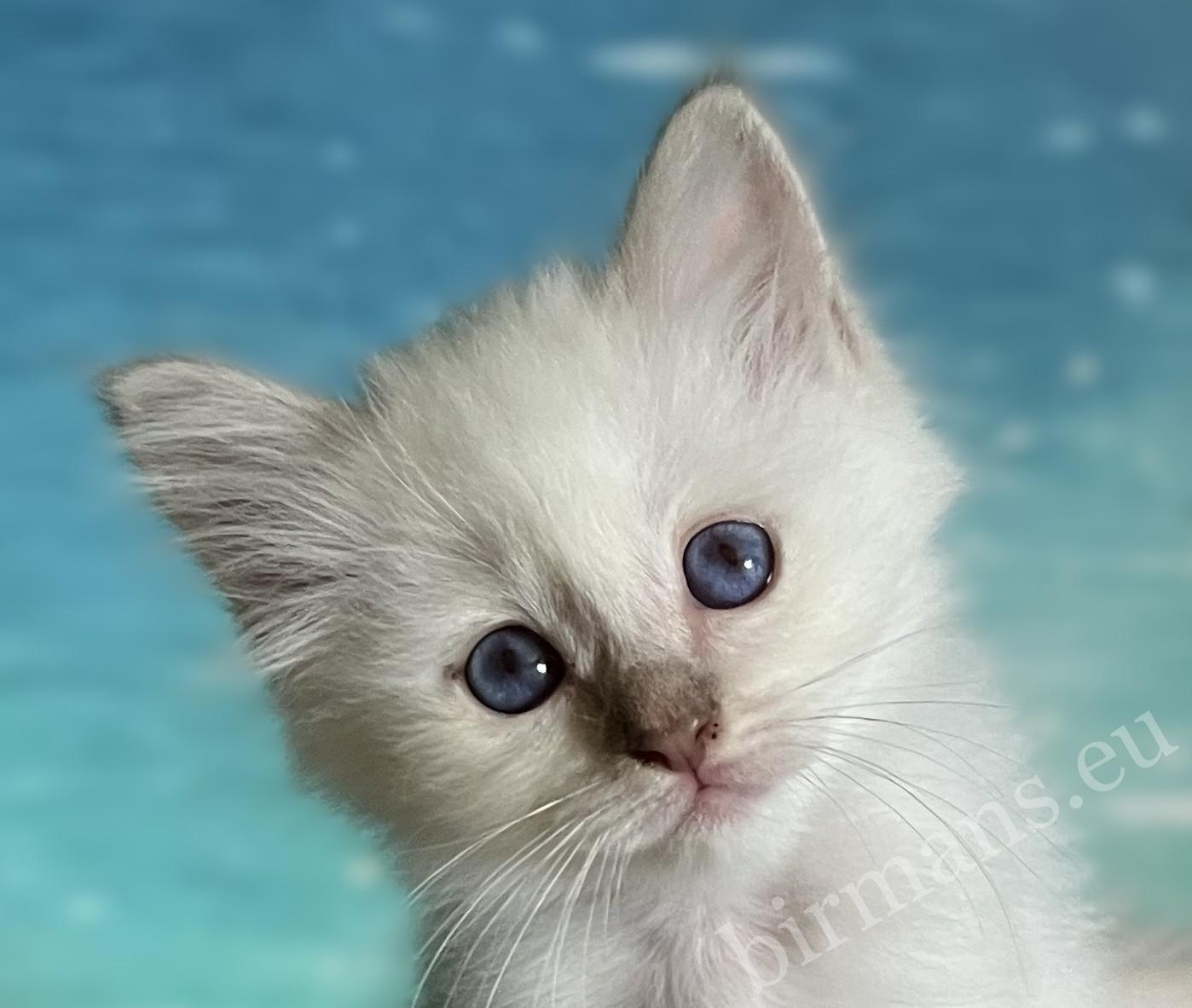
Feel free to listen to your heart. The bond often forms at the first photograph.
Before deciding, however, verify:
- whether the kitten’s ancestry is certified;
- whether its health background is documented;
- whether it is raised in proper conditions;
- whether it is deliberately prepared for family life;
- and whether we can count on the breeder’s support later.
At some point, however, we also need to be able to say: we have enough information. It’s not the endless quantity of documents, but their real content, consistent communication, and sound judgment that help us make a good decision.
Discover the Saba Birman kittens
At Saba Birman cattery, we have been working for more than 13 years with documented bloodlines known across multiple generations, a closed cattery, comprehensive genetic testing, and a deliberate socialization program.
Our kittens arrive at their new families with detailed documentation, international relocation experience, and long-term breeder support.
Meet our current Birman kittens: