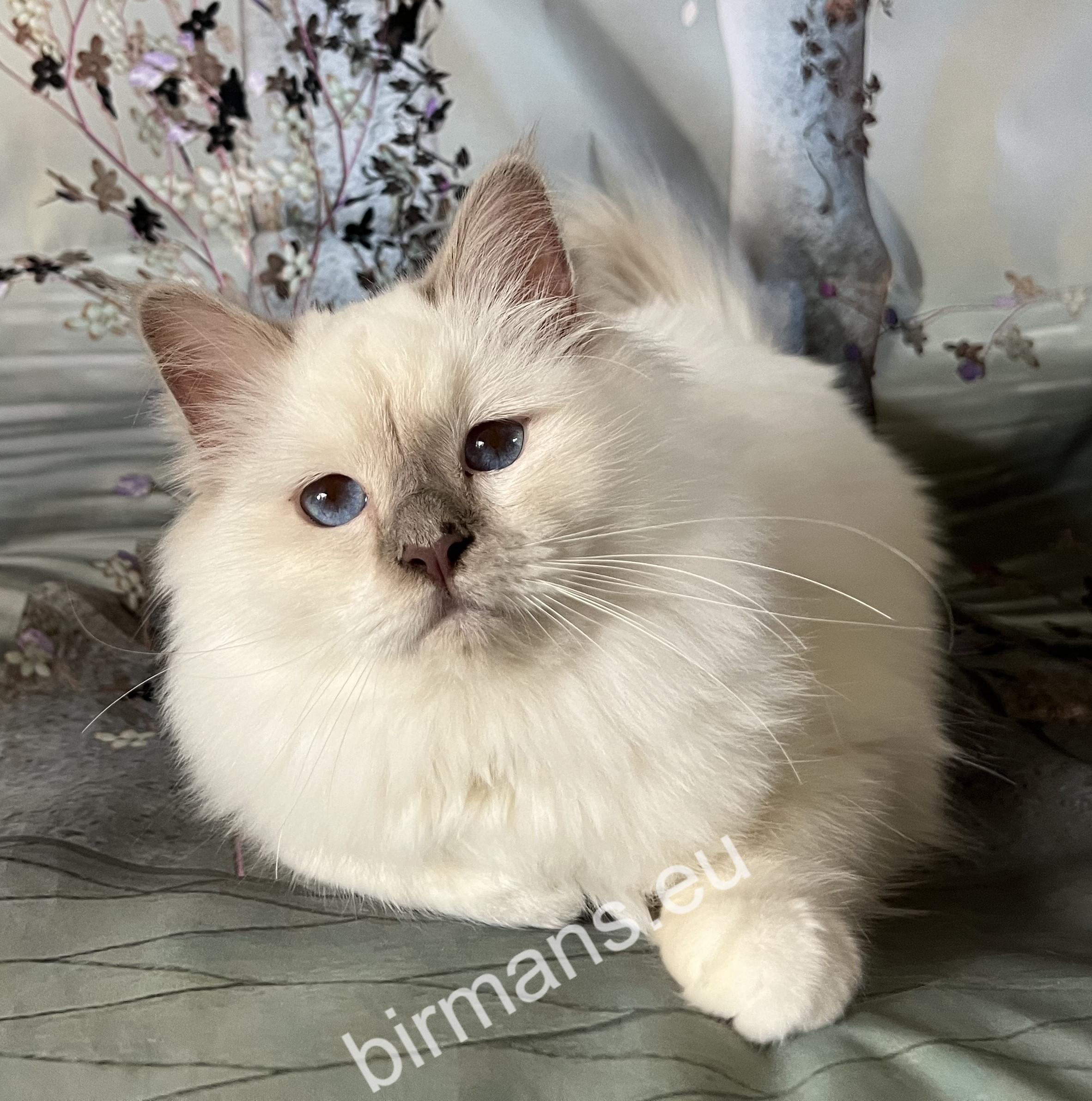
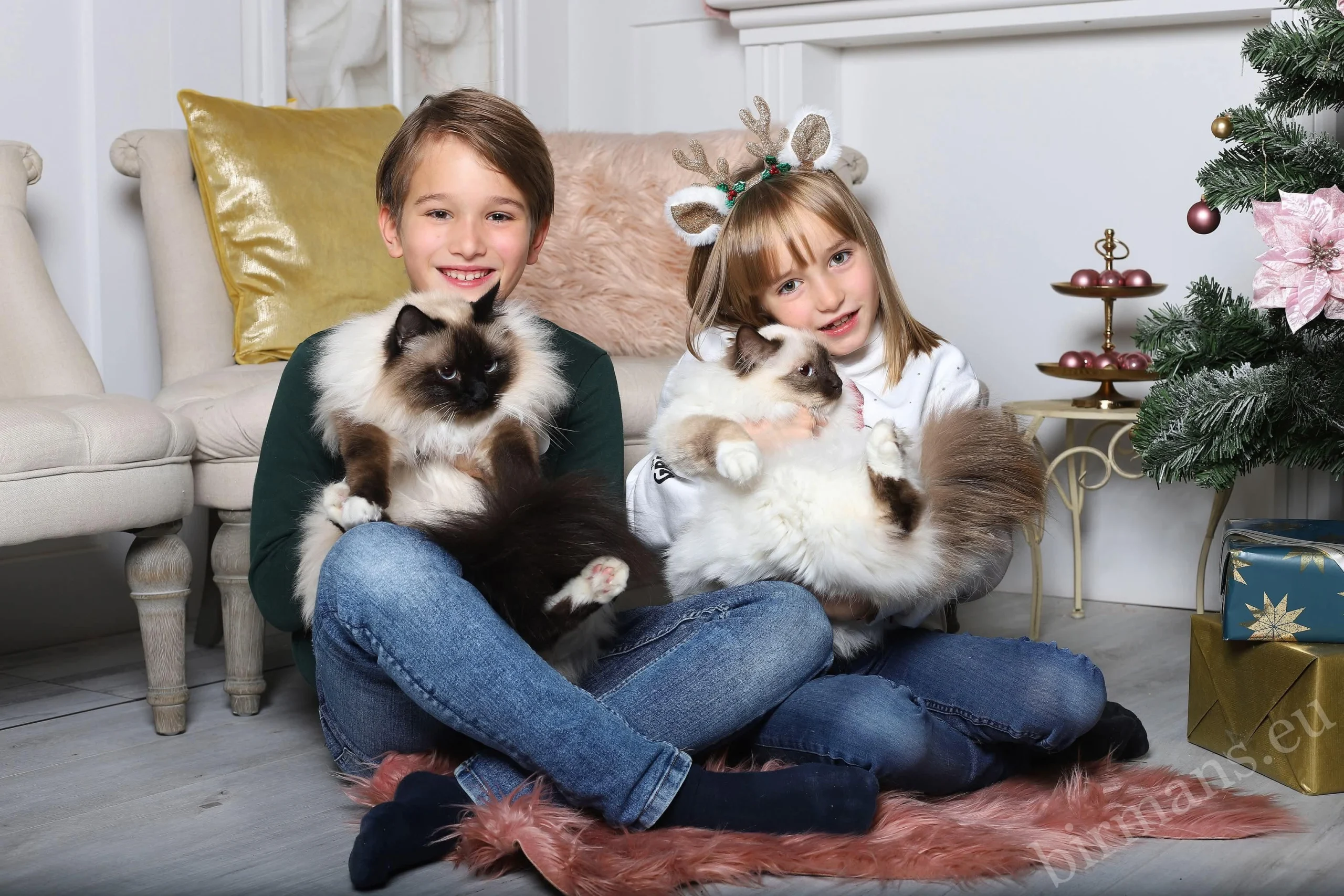
When a family first sees a Birman kitten just a few weeks old, they almost automatically try to imagine what it will look like as an adult.
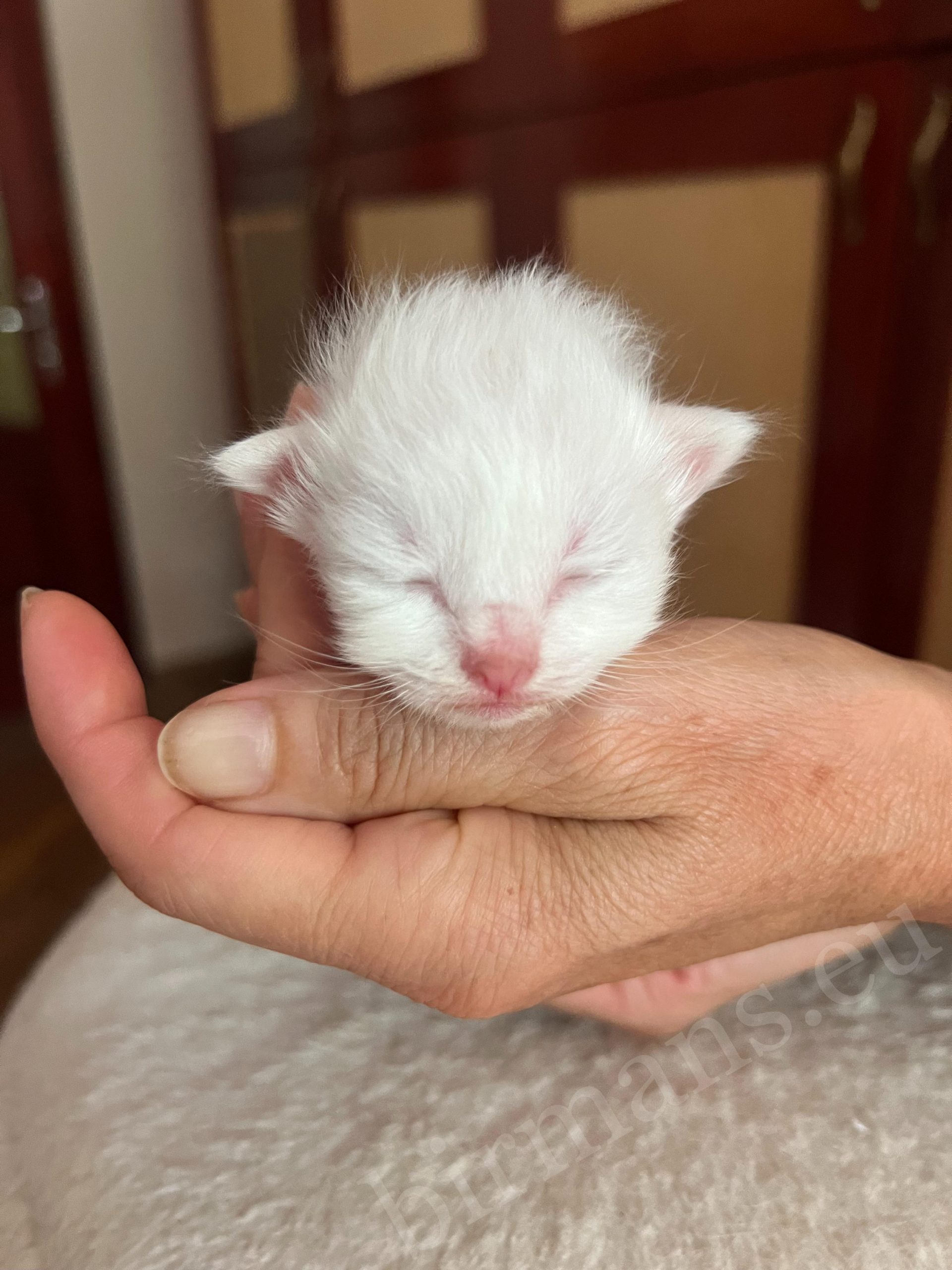
In the case of the Sacred Cat of Burma, however, a kitten photo is just a single moment in a long developmental process.
The Birman is a colorpoint breed: kittens are born very light, and the color gradually appears and intensifies on the face, ears, legs, and tail. The body shade also changes, and this process doesn’t end at a few months of age.
In a previous article, we presented in detail what Birman cat colors exist, through real Saba Birman kittens. In this article, we won’t list the colors again; instead, we’ll show how these colors develop throughout life—and what we’ve learned from over 13 years of breeding observations.
Same Color Code – Yet No Two Identical Birmans
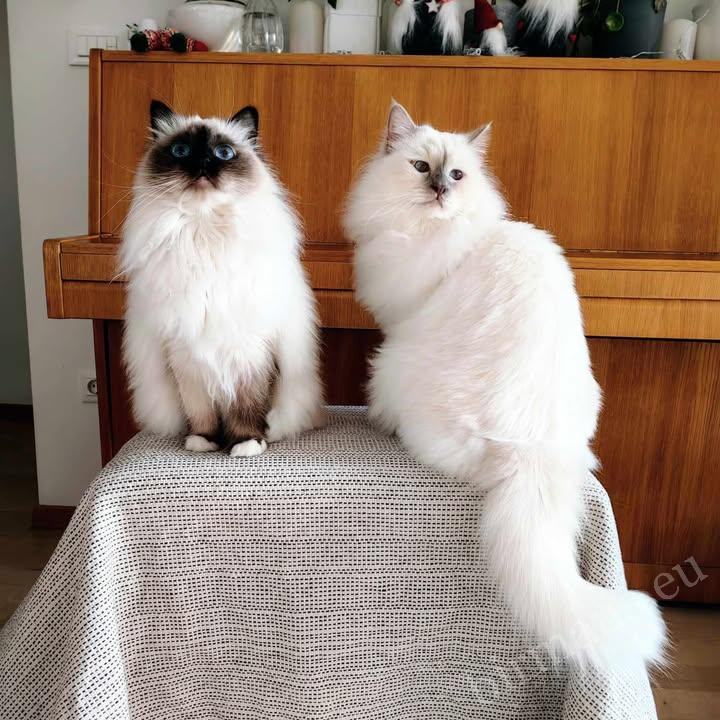
One of our most interesting findings is that even two kittens with the same genetic color code, even born in the same litter, can differ dramatically from each other.
This is very similar to what we see with personality. Two littermates grow up in the same environment, yet can have completely different temperaments. Color expression can show the same kind of individual variation.
Light and Dark Seal Point
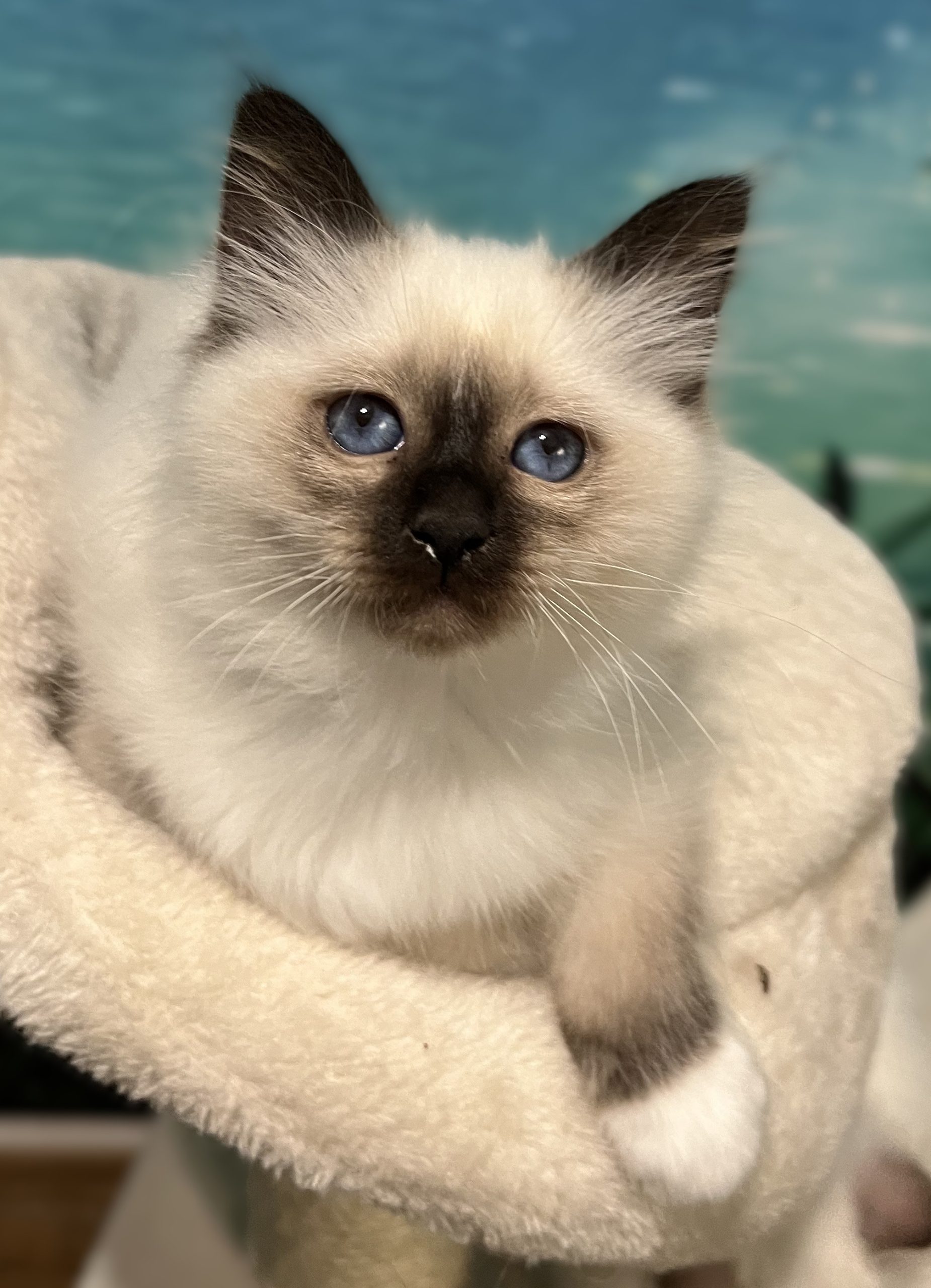
Seal point is a good example of this.
Some seal point Birmans have bodies that remain lighter for a long time and develop a finer, lighter tone even later. In other kittens, it’s visible from a very young age that the adult cat will have a darker overall appearance.
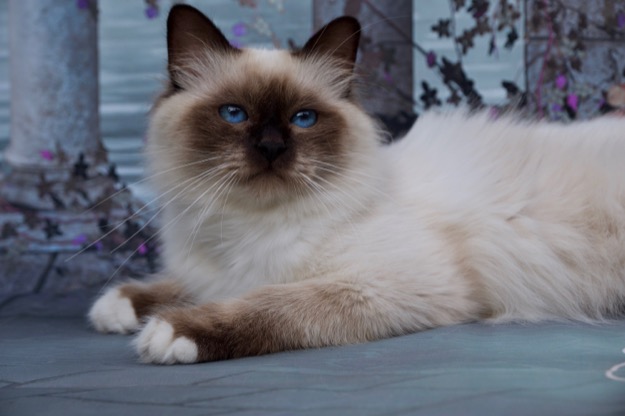
There can also be significant differences in the shade of the mask. In some adult seal point cats, the mask is extremely deep, almost coal-black, reminiscent of dark chocolate. Other seal points show a much warmer, milk chocolate brown shade.
Neither is better or worse in quality.
The shade of color alone does not determine a cat’s breed or show quality. At shows, the entire cat is evaluated, and naturally judges’ personal preferences may differ regarding whether someone favors lighter or darker shades.
Seal Point or Chocolate Point? – One of the Most Common Misunderstandings
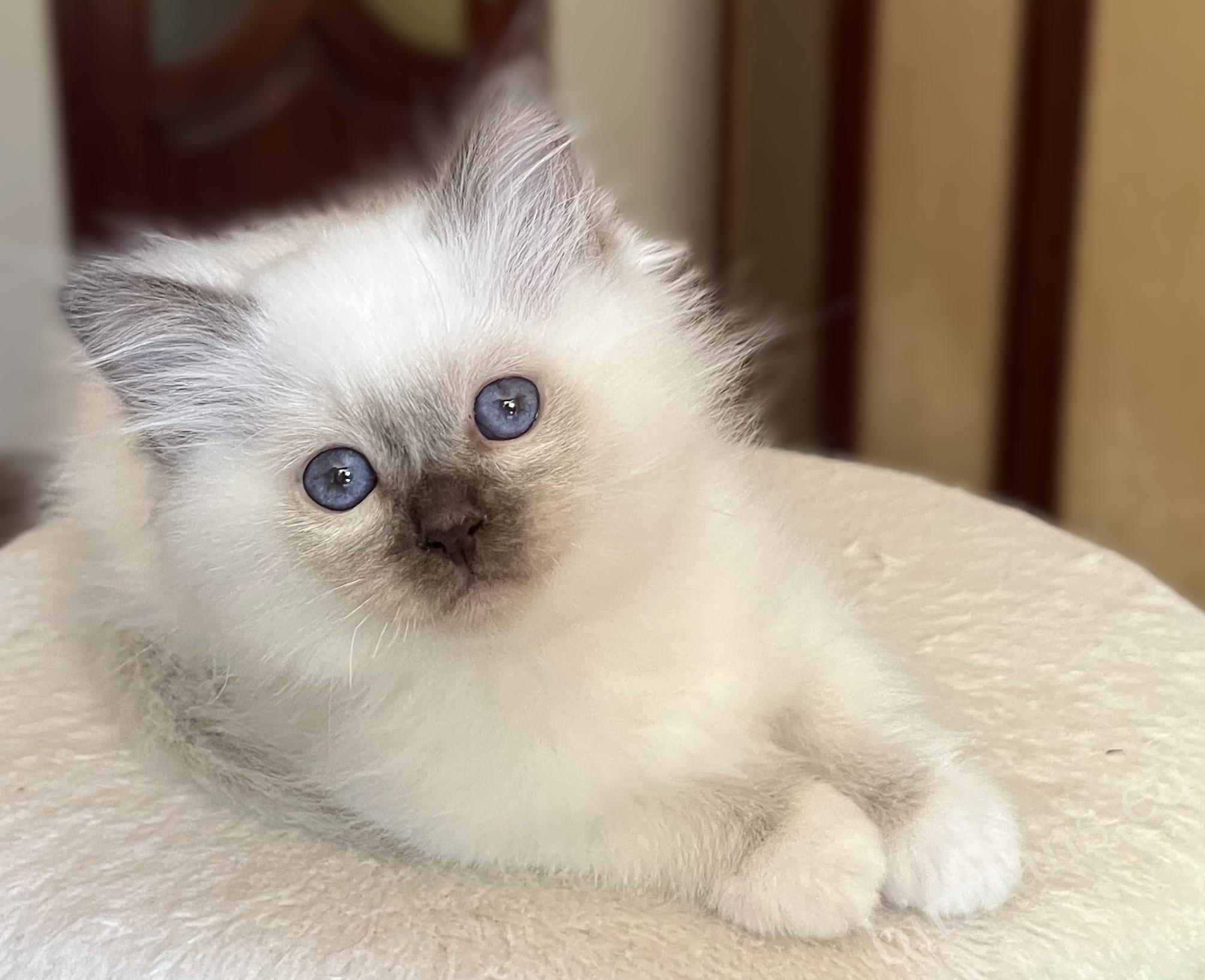
One of families’ most common uncertainties arises from the difference between seal point and chocolate point kittens.
In a young seal point kitten, the mask begins to develop noticeably quite early.
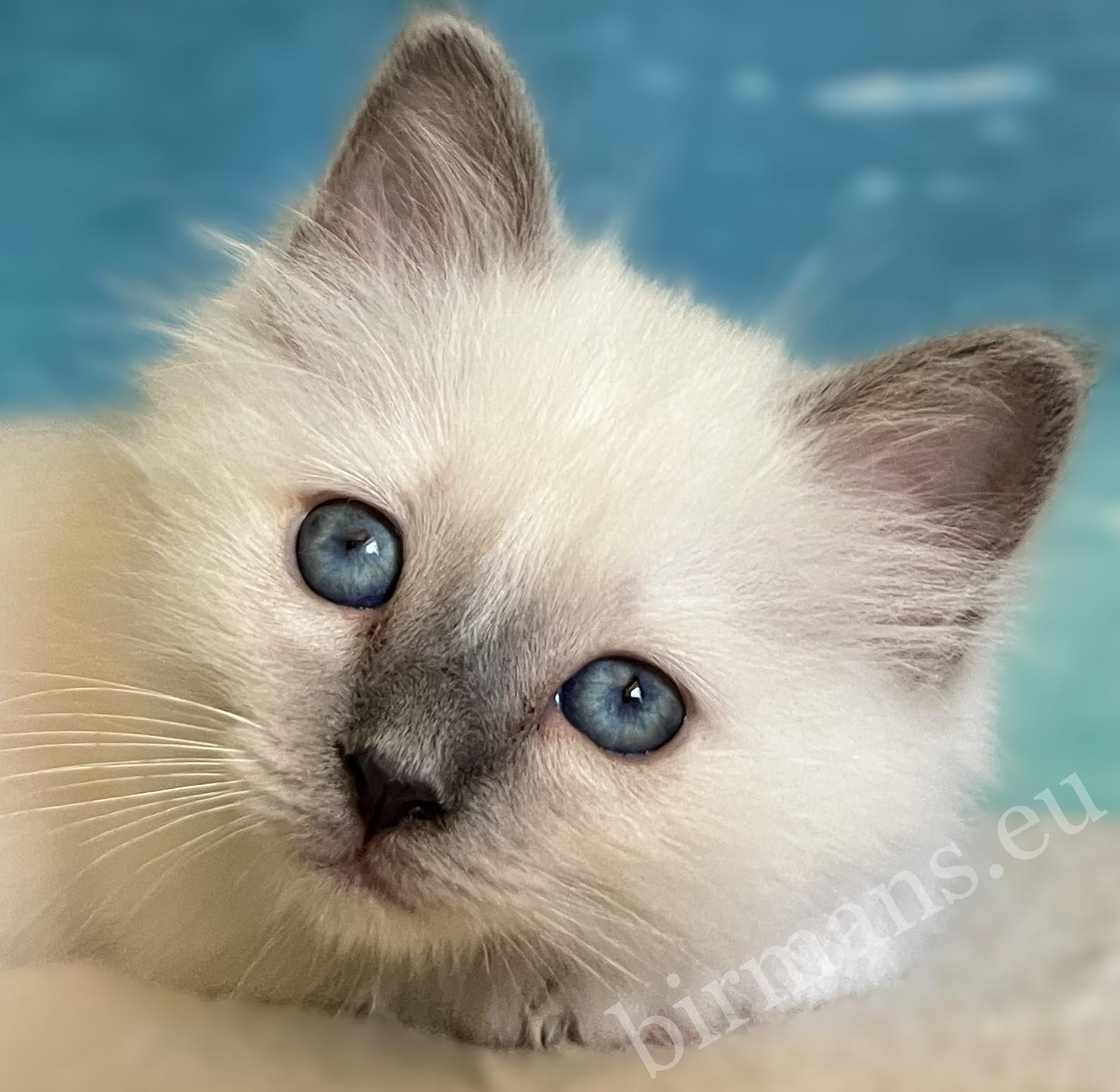
In a chocolate point kitten, however, for a long time the stronger color may be visible primarily around the nose.
At this point we often receive the question:
“Will he definitely have a full mask?”
Available to:
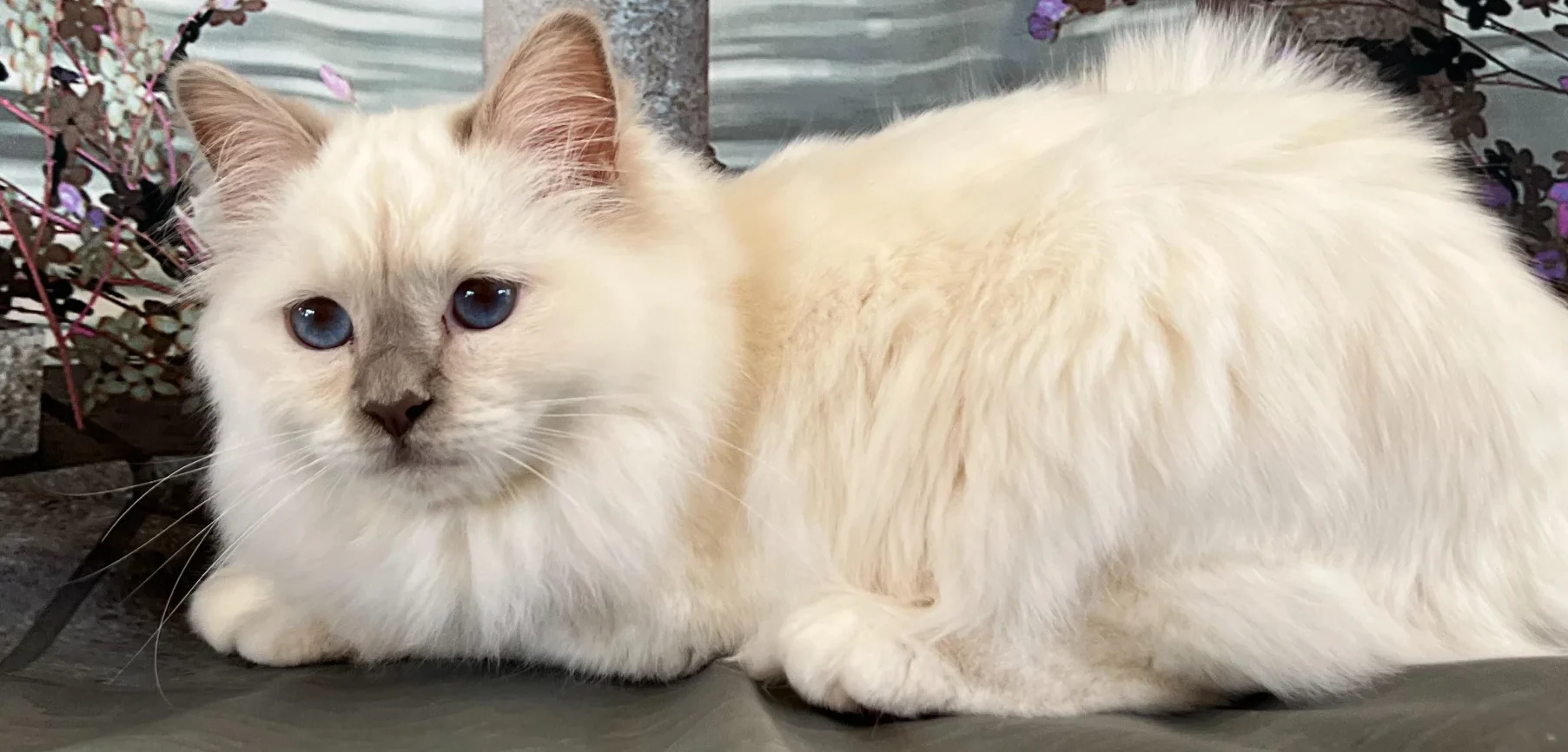
A chocolate point Birman’s mask develops just the same; it simply may develop much more slowly than in the case of seal point.
That’s why a photo of a few-week-old chocolate kitten can be particularly misleading to someone who hasn’t seen many Birman kittens develop.
The Biggest Difference Is Often in the Body Color
For me, one of the most striking differences between seal and chocolate is not the mask itself, but the contrast between the body and the points.
The seal point’s body color can develop from an ivory shade over time toward cappuccino-like, sometimes even darker tones.
The chocolate point’s body, by contrast, remains extremely light for a long time.
A layperson might even call it white, but in reality we’re talking about a very pale ecru or vanilla shade.
While the face, ears, and tail develop into a warm chocolate color, the body remains much lighter. This is why one of the chocolate point’s most beautiful characteristics is precisely the strong contrast between the light body and the points.
Which Birman Colors Can Be Recognized Earlier?
The difficulty of identifying colors is not uniform either.
In our experience, seal and blue can usually be distinguished relatively early and reliably.
Chocolate and lilac, however, can be much more difficult.
A very light chocolate kitten’s points may have a delicate, milk chocolate shade, while lilac is also extremely light. At a young age, the difference between them can be so small that time is needed for reliable identification.
And What About the Tabby Pattern?
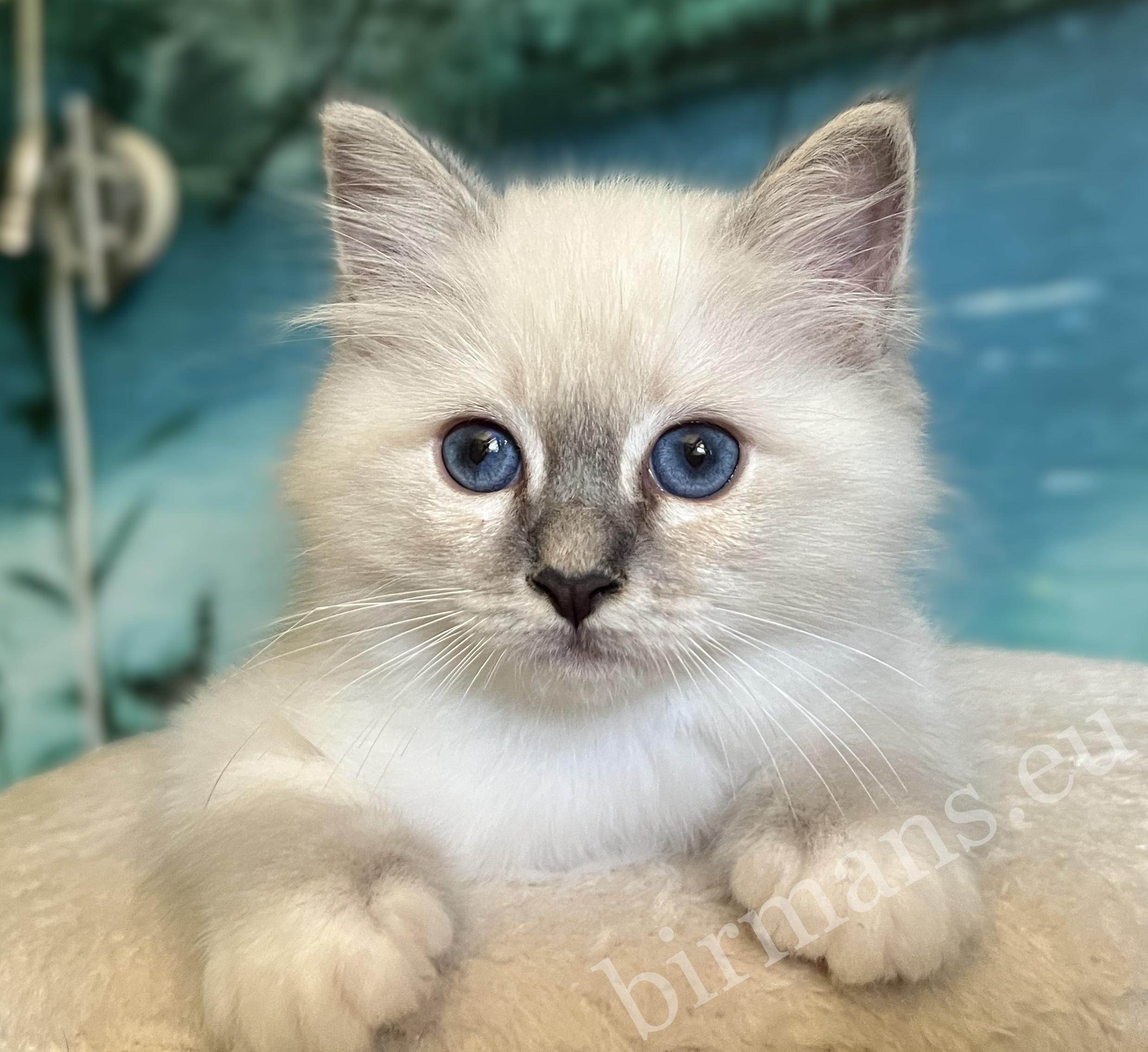
Recognition of the tabby pattern is also highly variable.
Some kittens show the characteristic tabby markings beautifully as early as three to four weeks.
In other kittens, it only becomes truly clear whether they are tabby or not tabby after ten weeks of age.
On the darker seal and blue colors, the tabby pattern is usually recognizable earlier, while on a very light chocolate or lilac kitten, uncertainty can last much longer.
A Birman’s Color Changes Continuously with Age
The general direction of development as age progresses is darkening.
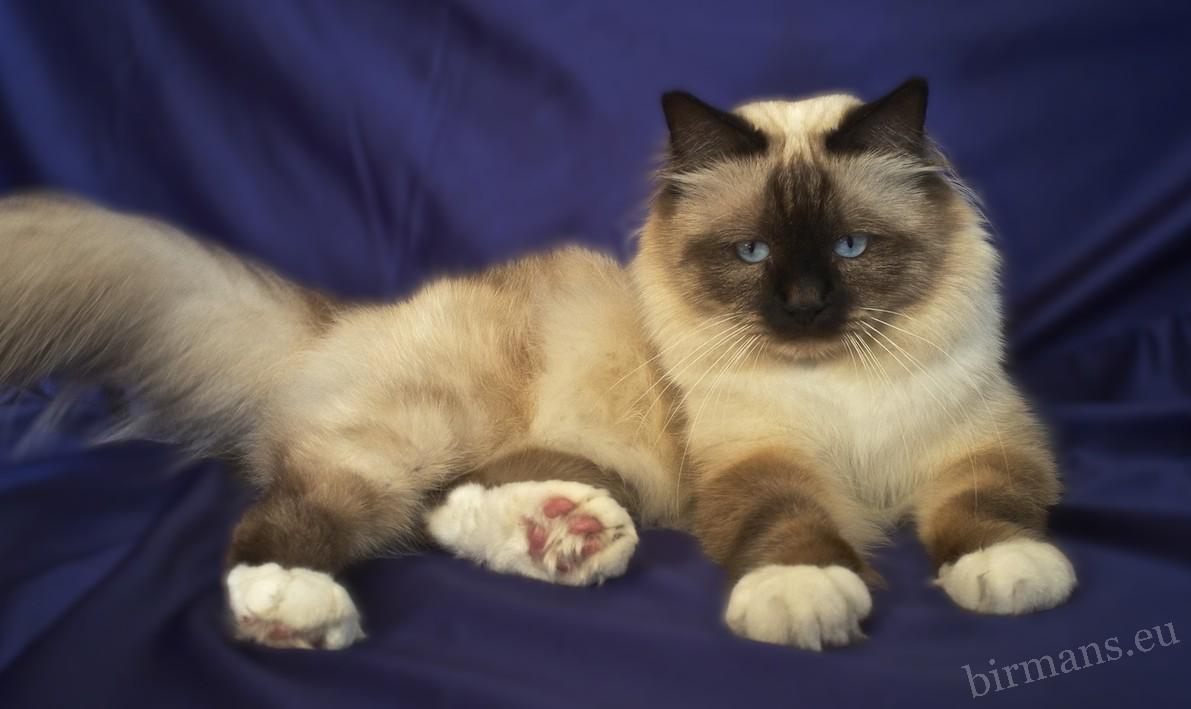
A young Birman therefore typically has a lighter overall appearance than the same cat several years later.
This is observable in all color variations, naturally to varying degrees.
We wrote about this years ago in our article A Few Thoughts on Birman Cat Colors. Since then, we’ve been able to follow the development of several more generations of kittens, which has shown us even more clearly how unique the color development process is for each cat.
The Same Birman Can Look Different in Summer and Winter
Colorpoint pigmentation is temperature-sensitive.
On cooler body areas—the face, ears, legs, and tail—stronger pigmentation develops, while the warmer torso remains lighter.
This effect can also be observed seasonally.
In summer, the same Birman may have a lighter overall appearance, while in colder weather it may darken more intensely.
In the show world, there is even a known method where, to preserve a lighter body color, the cat’s torso is kept warmer—for example, with light clothing.
For a family pet, this is naturally not necessary. The interesting aspect lies in how clearly it demonstrates the close relationship between temperature and colorpoint pigmentation. These observations are well known from our own breeding practice, as our cats live in an outdoor run system that can be used year-round; you can read more about their living conditions and Saba’s daily world on the “Soul of Sábavilág” page.
Color Is a Story, Not a Moment
Perhaps this is the most important thought.
A Birman kitten’s color is not a finished state.
But the beginning of a story.
The tiny kitten born very light gradually reveals its seal, blue, chocolate, or lilac point. Tabby markings may appear. The mask develops. The color of the ears and tail intensifies. The body shade changes. Summers and winters come, and years pass.
Just as its personality gradually unfolds, its appearance becomes increasingly its own.
Perhaps that’s why we love watching this development so much.
Because even after more than 13 years, no two stories are exactly alike.
To Be Continued: Can You Predict What a Birman Kitten Will Look Like as an Adult?
Certain signs of color development are visible from a young age—but a kitten’s adult appearance is much more complex than that.
In the next part, we’ll show what an experienced breeder can truly predict about a few-week-old kitten, what they cannot, how misleading kitten coat can be, and how to realistically envision the future adult cat from a young Birman.
Next part: Can You Predict What a Birman Kitten Will Look Like as an Adult?
About the Author
Katalin Bodó is the founder and owner-breeder of Saba Birman Cattery. She holds degrees in biology and chemistry education and economics, and has been breeding, raising, socializing, and placing Sacred Birman cats with international families for over 13 years.