What truly matters beyond color and gender?
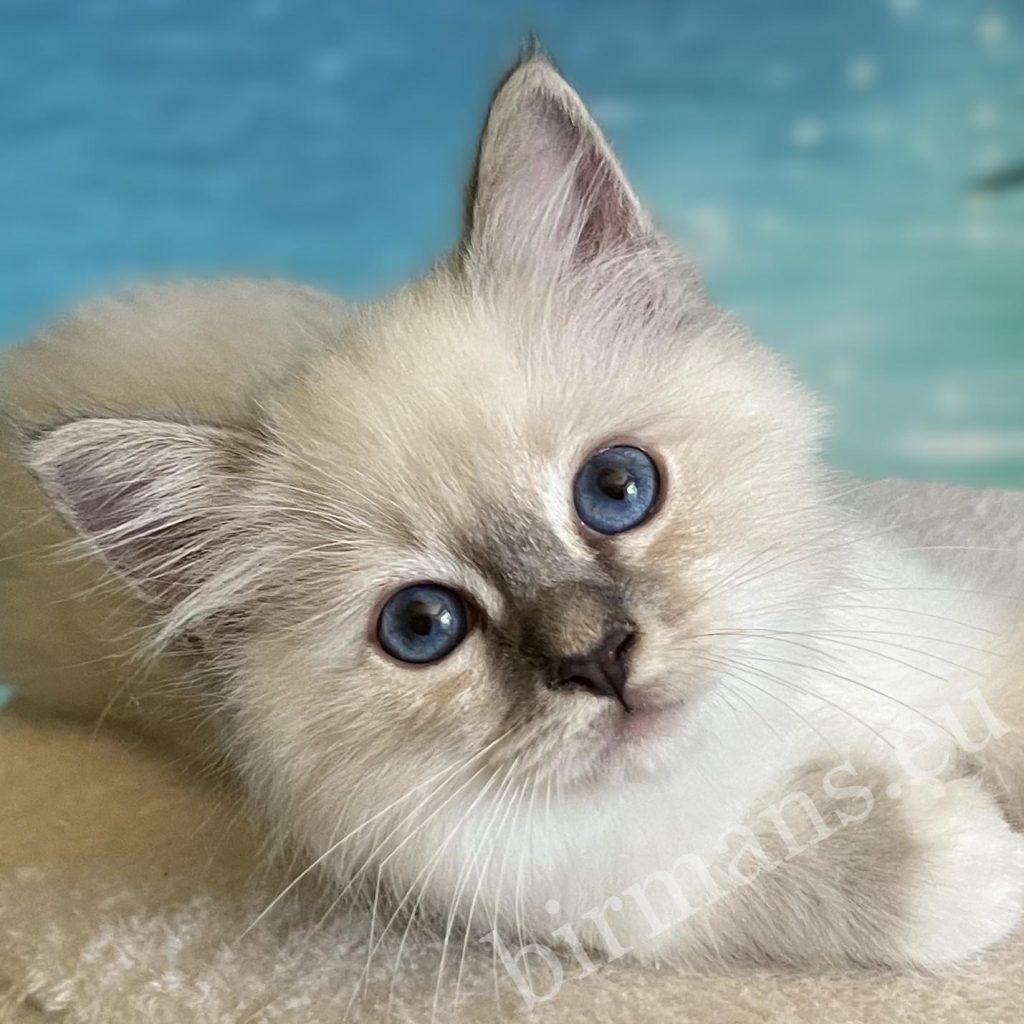
Choosing a Birman kitten may seem simple at first. Boy or girl? Seal, blue, chocolate, or lilac? Tabby or classic point? Which kitten looks best in the photos?
These can all be important factors. Yet they aren’t necessarily what will determine whether, years later, we feel: this was exactly the cat who was meant to come to us. I’ve been breeding Birman cats since 2012, and to me, the right choice feels more like a meeting of hearts than a simple selection.
WE’RE NOT CHOOSING A CHECKLIST, BUT A COMPANION
Many families arrive with specific ideas already in mind. They want a male, or perhaps a female. Some dream of a particular color, while others are looking for a very affectionate, calm, or playful cat.
These are good starting points, but it’s not wise to turn them into rigid requirements. A kitten, after all, is a developing personality.
That’s why when we ask a prospective family about their life, we’re not just being polite. It matters to us how they live, whether there are children, other pets, how much time they spend at home, and what kind of relationship they envision with their cat. It also matters whether their lifestyle is quieter or more active, and what they truly expect from welcoming a Birman into their home.
The more honest this communication, the easier it is to recognize which kitten will fit naturally into that family’s life.
PERSONALITY SHOWS EARLY – BUT IT STILL CHANGES
Even at a very young age, much is already visible. There’s the kitten who’s first to explore, another who wants to examine every new event up close. Some seek human closeness more strongly, while others observe first and join in later.
These are important signals. Personality, however—just like a Birman’s color—is a story, not a single snapshot.
A kitten may be braver during one period and more cautious later. They might be especially exploratory for a few weeks, then become much more cuddly afterward. Moreover, the new family, the new environment, and the trust that develops there continue to shape them.
That’s why I don’t like labeling kittens with rigid tags. We’re not choosing a pre-written character, but getting to know a living being with whom the family will later write the story together.
INTUITION HAS ITS PLACE TOO
A breeder observes a great deal. They see the kitten’s development, their relationship with siblings, their bond with people, their curiosity, their adaptability, and their reactions.
Yet there’s a part of the selection process that can’t be captured in a spreadsheet. That’s intuition.
There are moments when the feeling develops very early: this kitten will be truly right for this family. The most beautiful thing is when the family feels the same way.
For me, experience doesn’t mean deciding for them. Rather, it means helping them notice what they may already feel but haven’t yet been able to articulate precisely.
THE “SABA BIRMAN PERSONALITY”
Every cat is unique. Yet there is a common foundation in the kittens who are born and raised with us.
Part of this is genetics, but equally important is the environment that surrounds them from the very first moment.. Our breeding cats and kittens live in a family environment. The little ones develop among people, other cats, everyday sounds, play, and touch.
They are part of our lives. They hear our voices, know human closeness, and even get their share of bedtime stories—sometimes in several languages.
The goal is not simply for a kitten to be “socialized.” We want them to trust people naturally. They can build upon this trust later in their new home as well.
I sometimes imagine it as if they’re setting out from a little fairy-tale world. My most important wish is that they won’t have to wake up from it.
If they find safety, love, and peace in their new family as well, they can continue to blossom beautifully. Like a flower.
IS IT POSSIBLE TO CHOOSE “WRONG”?
Matching personalities is important. It’s worth paying attention, talking, and getting to know each other. At the same time, I wouldn’t want a family to worry that with one wrong move they’ll choose the “wrong cat.”
Saba Birman kittens come from a shared genetic, upbringing, and socialization background. This provides a stable foundation.
If they go to a loving and safe family, they generally adapt very well. Their relationship with their new owners continues to shape them.
So yes: let’s seek the best possible match. But we shouldn’t overthink the choice so much that the joy disappears from it.
NOT EVERY FAMILY IS A SABA BIRMAN FAMILY
The choice is mutual. Just as a family selects the cattery and kitten they trust, we also have a responsibility.
We must decide which home we want to entrust a cat born with us to. This isn’t primarily about financial means.
The ability to purchase a kitten doesn’t in itself mean that Saba Birman is the right choice for everyone. If we feel that a family’s lifestyle or expectations don’t align with the life we want for our kittens, we sometimes decline the placement.
We choose a family for the kitten with the same care that the family uses to choose a companion for themselves.
Because a good placement is successful when both sides win. The family finds the cat they’ll truly be happy with, and the kitten finds the home where they can continue to live, throughout their entire life, the security from which they started.
Choosing the right Birman kitten takes time, attention, and genuine connection. But how can we make sure that when we find the kitten we truly click with, we actually have the chance to choose them?
I’ve written about this in detail in my article “When is the right time to reserve a Birman kitten?“, where I explain how reserving in advance gives families time, freedom of choice, and priority all at once.
If you’d like to get to know our Saba Birman kittens, take a look at the cats we’re currently featuring. And if you have any questions, or would like to talk with us about which companion would best suit your family, we’d love to hear from you
Katalin Bodó is the founder and owner-breeder of Saba Birman Cattery. She holds degrees in biology and chemistry education and economics, and has been breeding, raising, socializing, and placing Sacred Birman cats with international families since 2012.